
Websites and web applications must be convincing not only on the desktop but also on mobile devices. The key to this is Responsive Design or Responsive Web Design. It guarantees the automatic adaptation of web content to the screen size.
Read more
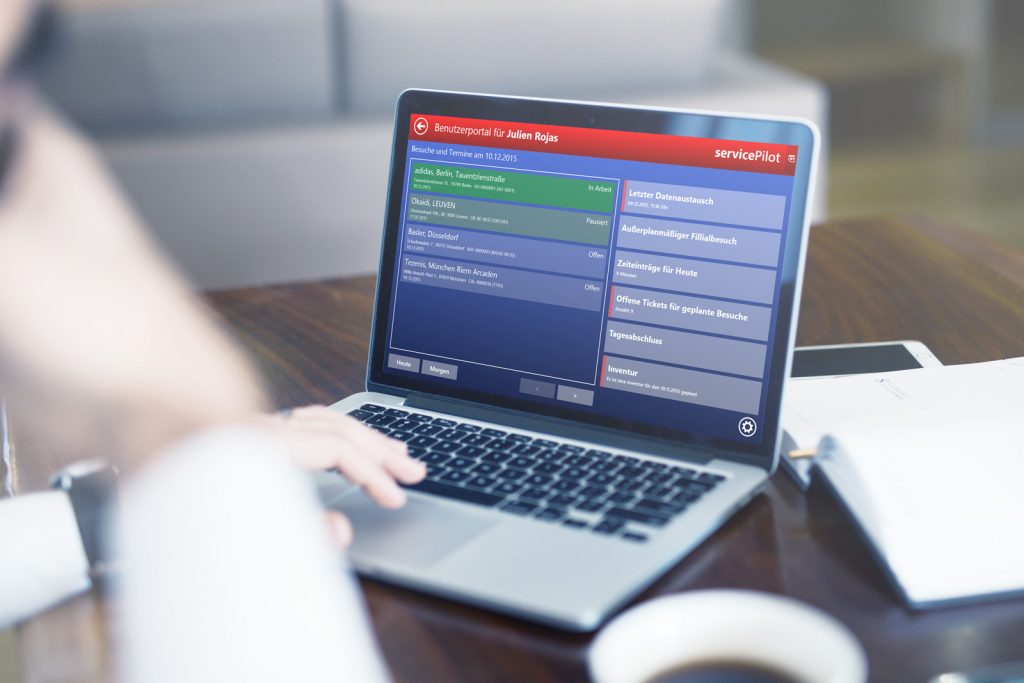
Not all software is created equal. Until a few years ago, desktop applications, also called application software, were the standard for software. In the meantime, web applications are primarily used in addition to desktop applications. And since more and more people are on the Internet with their smartphone or tablet, mobile apps are also playing an increasingly important role.
Read more

To grasp the scope of digitization for living and working environments, it is worth taking a look at the digital transformation of business processes and products. The digitization of business processes is primarily about efficiently designing and standardizing recurring activities and processes within the company and between business partners. In most cases, standard software then also controls this process.
Read more
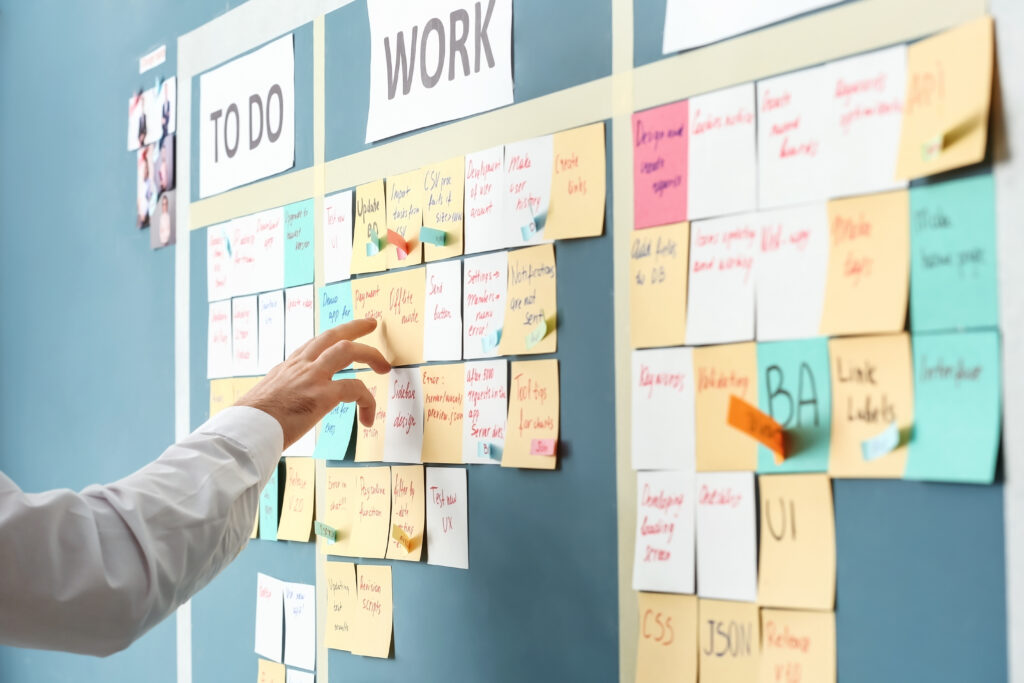
In project management for the development of software, it is important to control sometimes extensive and complex projects whose outcome cannot be defined in advance, or only to a very limited extent. In order to retain the necessary flexibility in the use of resources such as budget, time and personnel, a model is needed that enables fast interim results and agile project adjustments. This is exactly what the Scrum method offers.
Read more

Individual and effective, fast and convenient: Web applications are replacing more and more desktop software solutions. But when it comes to security for data and users, there are often major gaps in knowledge. How do I protect the web software against hacker attacks and which data protection rules do I have to observe?
Read more

The Internet of Things (IoT) refers to the increasing networking of devices, sensors and other systems. The aim is for physical things, i.e. devices of various kinds, to know their status information and to be able to share their data with other devices via an IP network.
Read more

If new software is to be created, the finished software is preceded by a long process, at the beginning of which is the requirements specification (also called requirements profile). In it, the customer records in writing what his requirements are with regard to the new application. The requirements specification describes the totality of these requirements for the contractor and thus the desired scope of services. In many cases, the general conditions and requirements from the user’s point of view for the new system are also documented. This describes what is required and for what.
Read more

If you’re wondering why there are so many terms for what may be the same thing, you’re not alone, but you’ve come to the right place: this article compares the terms web application, homepage and website.
Read more

Over decades, countless thousands of applications have been created in specialist departments that are indispensable for daily work in companies. These Access applications contain a lot of know-how that has been accumulated over years by diligent Access programmers and poured into queries, forms and reports. But what to do when the Access application reaches its limits and needs to be replaced?
Read more

While an initial face-to-face meeting used to be common after the first contact, this is now often done digitally. As in the past, the first contact is made by calling, sending an e-mail or filling out the contact form on the homepage. The next step – also as before – is the free initial consultation.
Read more

Smart products consist of traditional hardware and a significant proportion of software. Take autonomous driving, for example: Modern passenger cars have long had the sensors that are sufficient for autonomous driving. Although the software is still missing, manufacturers already offer many software-based components for a fee.
Read more
The pictorial representation helps an interface to illustrate the application to be developed. If the wireframes now provide an exemplary visual representation of the software solution by simply inserting actions and animations, a prototype can be created from a wireframe. Providing a prototype to the customer offers the possibility to experience the future application as far as possible. For the realization of such prototypes the software Bootstrap Studio can be used.
Read more
When you think of “creating apps”, you immediately think of complex programming, different programming languages and an abundance of complicated code. But there is no need to shy away from all that anymore when developing PowerApps. With PowerApps, Microsoft has provided an application that allows even non-programmers to create apps quickly and easily with the help of a construction kit.
Read more

The process of quality assurance consists to a significant part of the search for program errors. And with practically every program, errors can be corrected. These must be documented, evaluated and corrected. After all, the fewer errors the end product has, the higher the quality of the program and the more satisfied the customer is.
Read more

In projects in general and in software projects in particular, risks occur time and again, which can also lead to time delays. One essential measure for limiting these risks is continuous monitoring of the project. With a good project status report, the software project remains transparent – for the project manager, for the programmers and for the client.
Read more

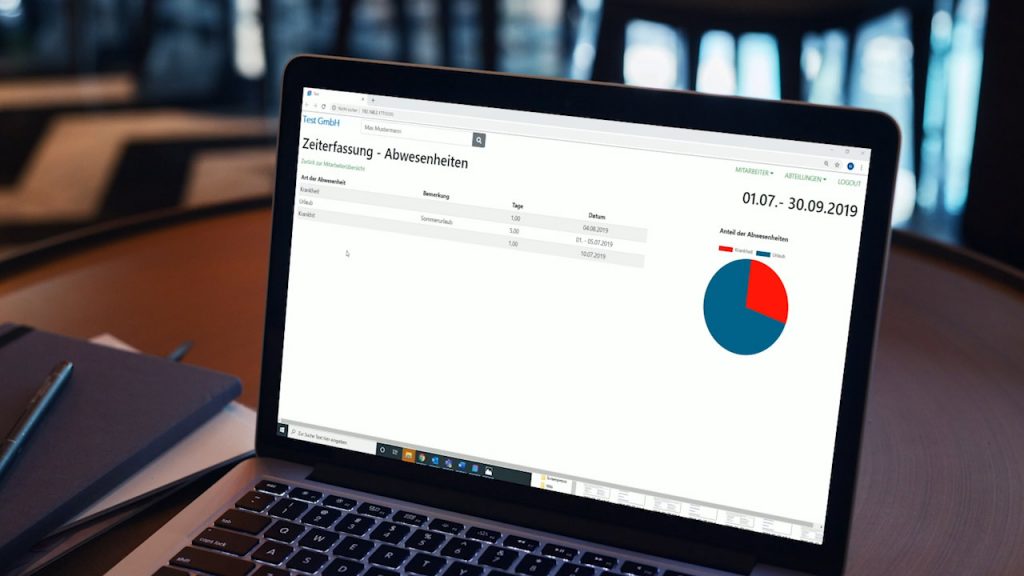
One of the great advantages of a web application is that updates can only be performed on the centrally used server. These can be new program versions, a bug fix or even new data. Unfortunately, the programmer of a desktop application does not have this luxury. He has to deliver a mechanism for updating as soon as the program is released for the first time.
Read more

Which is cheaper: standard or unique? An individually programmed software not only fits better to the processes within a company, often it is also much cheaper in development than a standard software.
Read more

Custom software is software that is created specifically for the client. There is this software only once and in exactly the characteristic desired by the client. The term “individual software” is therefore to be used synonymously with “individual software”, “individually programmed software” and “individually developed software”.
Read more
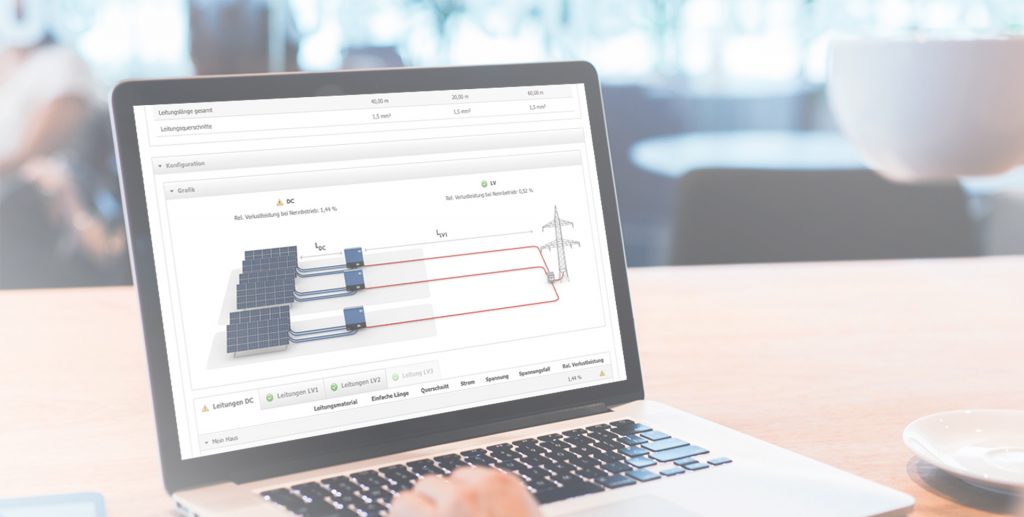
At the beginning of a software project, a decision must be made about the choice of platform. Custom programming can be done as a desktop application, as a web application or as an app. The following article describes the advantages of an individually programmed web application.
Read more

The requirements for a software can be compared to the sales prospectus of a house. From the customer’s requirements, the software developer creates the functional specification. Similar to the architect’s technical drawing and the building description, it describes how the software is to be created. In addition to technical aspects, the appearance of the software plays an overriding role here.
Read more
A software project will only be successful if the customer and the software developer find a common language. This is particularly important at the beginning of the collaboration, but it is also difficult so soon after first getting to know each other. A software project starts with the recording of the requirements. In the process, the software developer acquires a great deal of specialist knowledge from his customer. Then he implements what he has learned and designs a new program. Besides technical aspects, the appearance of the software plays a major role.
Read more